
Sensors, Full Automation and Operational Reliability
Long-term functioning greening systems are created only when plant climate, irrigation, sensors and maintenance are precisely coordinated with one another. With the Rohner Complete System, all system values are continuously monitored and adjusted exactly to plant requirements, water balance and ambient conditions. This results in long-term stable greening solutions with maximum operational reliability, reduced resource consumption and minimal maintenance effort.
The intelligent full automation enables needs-based irrigation without cyclical oversupply. Moisture, water balance and system functions remain permanently controllable, thereby sustainably reducing waterlogging, plant losses and unnecessary maintenance costs.
Automatic warning messages in the event of value changes additionally increase safety and create maximum control over the entire installation. This results in economically optimised greening systems with long-term functional reliability and permanently healthy plant stands.
From the sensors through the control to the long-term function monitoring, intelligent complete solutions are created that permanently combine technology, sustainability and natural plant development, and that secure high-quality living spaces over the long term.
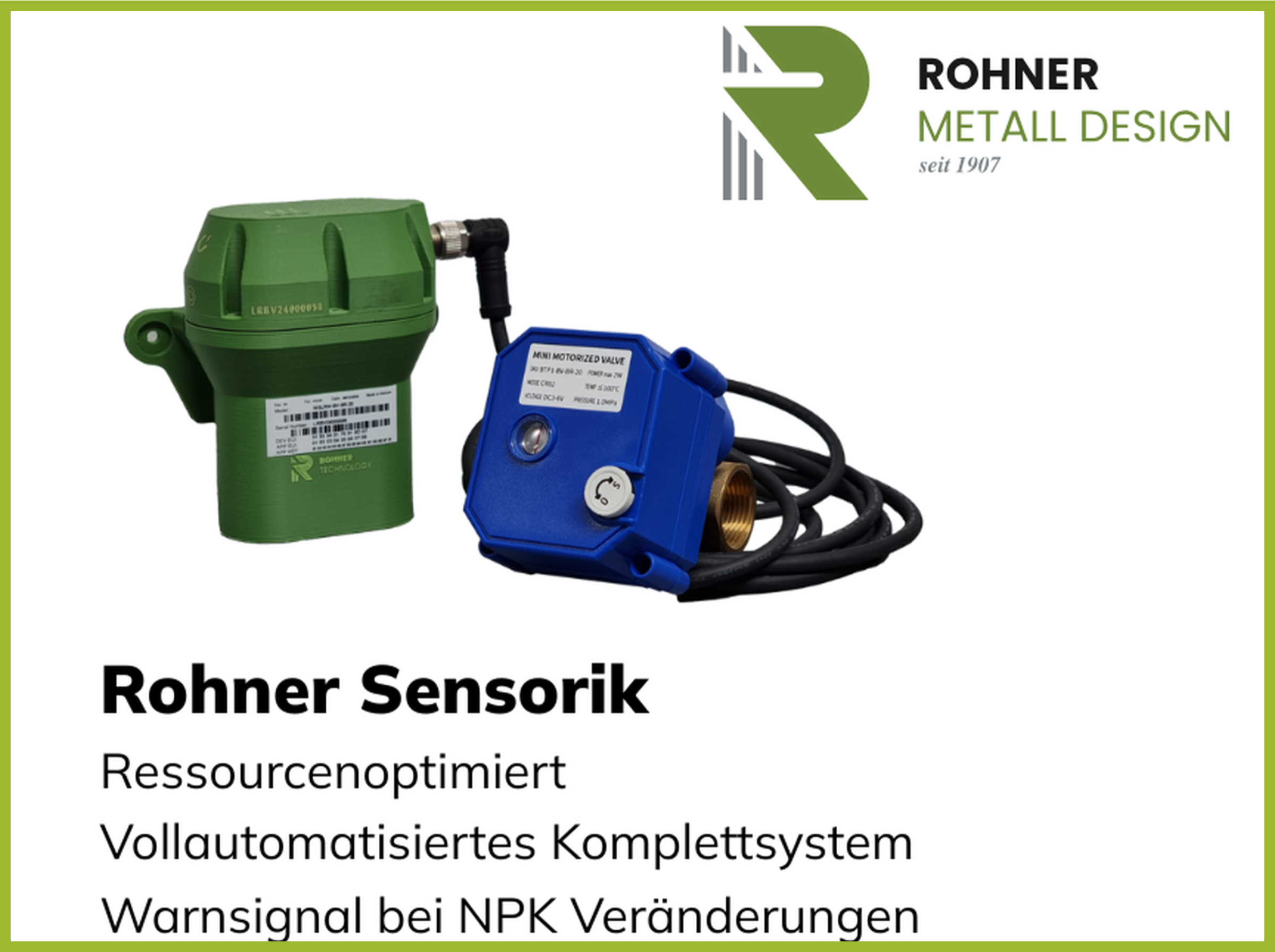
Rohner Sensors and Operational Reliability
Rohner Sensors combine greening, irrigation and system monitoring into an intelligently controlled Complete System with maximum operational reliability.
Central features of the system
• Real-time system monitoring
• needs-based irrigation control
• warning signal in the event of value changes
• optimised water and resource consumption
• reduced maintenance costs
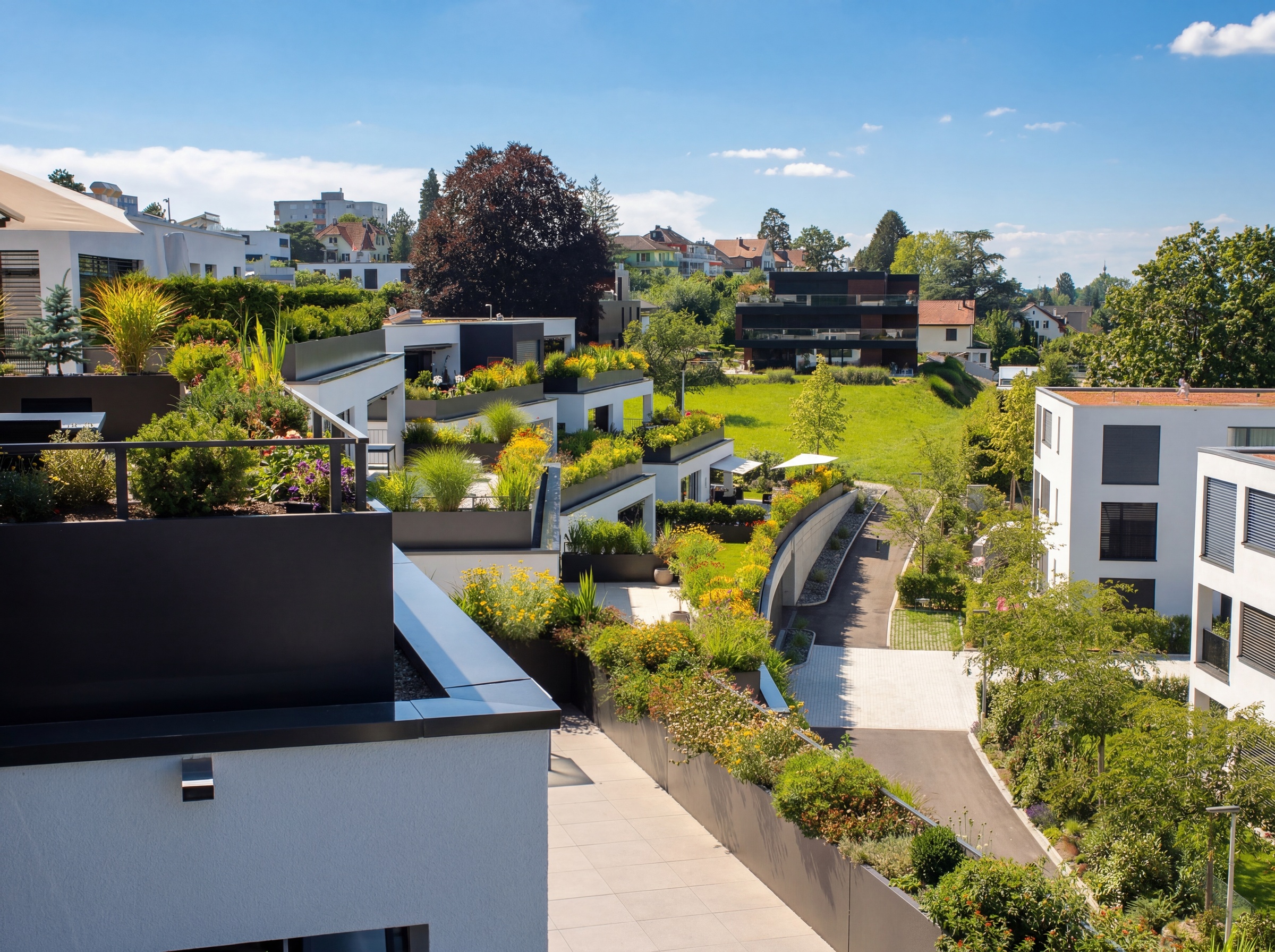
Rohner Complete System and Long-Term Function
The Rohner Complete System combines greening, irrigation, sensors and maintenance strategy into a long-term functioning overall solution for high-quality architecture and greening projects.
Advantages of the Complete System
• fully automated system monitoring
• long-term uniform greening appearance
• strongly reduced plant losses
• very low maintenance and operating costs
• minimal resource requirement
• long-term operational and planning reliability
• sustainable enhancement of architecture and property